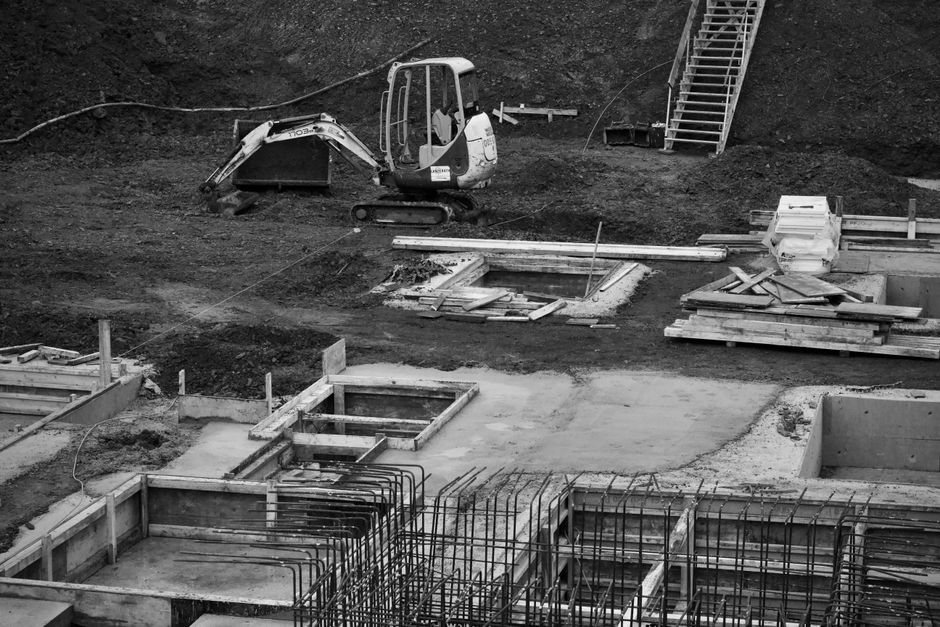
Foundations
Choosing the Right Foundation Type for Your Soil
Exploring different foundation types like shallow, deep, and raft foundations. Learn which…
Read
Apex Builders provides this informational space for builders and contractors seeking practical guidance on construction methods, materials, and regulations. The content is based on industry practices and current standards, offering descriptions of various approaches to framing, foundation work, and structural assemblies. Readers can explore overviews of material properties, code requirements, and process-oriented explanations. This resource is designed to support informed decision-making by presenting factual information. It does not replace professional judgment, but rather serves as a reference for those engaged in residential and commercial construction projects.
Understanding different framing methods is essential for builders. Platform framing, balloon framing, and post-and-beam each have distinct characteristics regarding load distribution and assembly sequences. The choice depends on project scale, local climate, and material availability. Apex Builders recommends reviewing structural plans and consulting with engineers before selecting a method.
Material properties influence durability and workability. Lumber grades, engineered wood products, and steel framing each offer specific advantages. For example, engineered joists can span longer distances, while steel framing provides consistent dimensions. Compliance with the International Building Code (IBC) is a baseline requirement. Always verify material certifications and treat wood for moisture resistance in applicable environments.
Regulations also cover insulation, vapor barriers, and fire stops. Check local amendments to the IBC for specific requirements. Proper installation sequences—such as placing vapor barriers on the warm side—affect long-term performance. For further details, refer to manufacturer guidelines and approved design documents.